
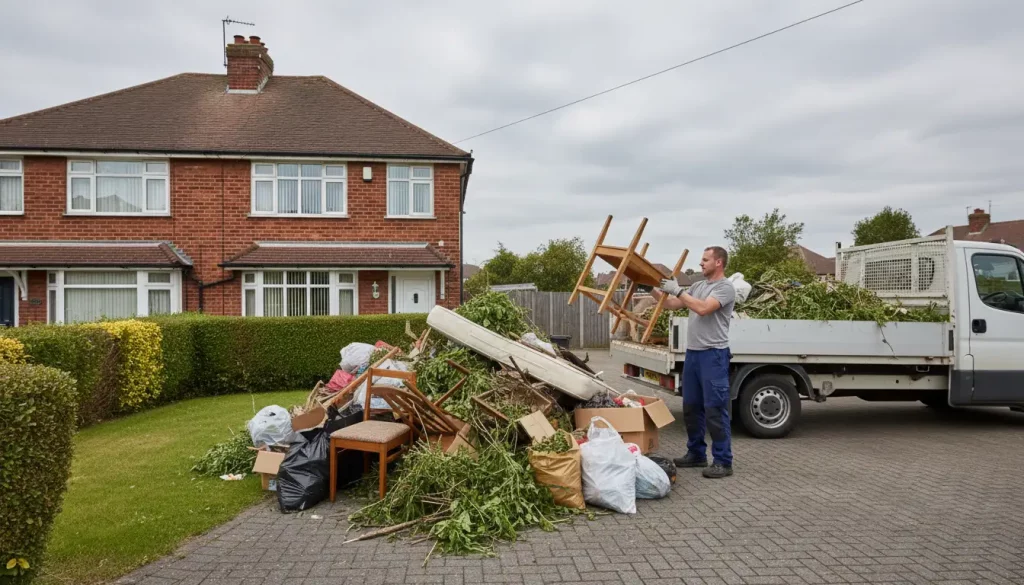

A waste removal job can look straightforward from the outside: collect the unwanted items, load the vehicle and take them away. Commercially, however, the price charged has to cover far more than the time spent at the customer’s property. Vehicle costs, fuel, labour, insurance and disposal charges can all affect what remains from the job, which is why understanding the true cost of each collection is essential when assessing the profitability of a waste removal business.
The waste itself can change the economics of a job. A bulky load may take up valuable vehicle space without being particularly heavy, while other materials may increase disposal costs or require a different handling route. Access, loading time and distance to an authorised waste facility can also affect how efficiently the job can be completed. Quoting accurately therefore means considering volume, material type, labour and disposal rather than relying on one standard price for every collection.
Efficiency can improve as the business develops. Grouping work geographically can reduce unnecessary mileage, while learning which types of jobs suit your vehicle, capacity and local disposal options can help you make better commercial decisions. A varied customer base can also reduce dependence on one source of enquiries. There is no guaranteed income from running a waste removal business, but operators who understand their costs, price work carefully and plan collections efficiently are in a stronger position to judge which jobs contribute positively to the business.